
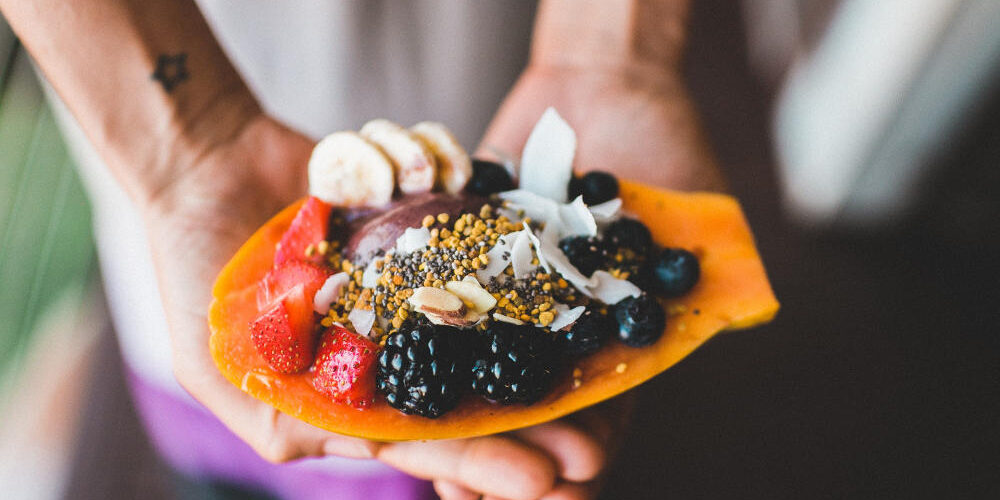
It is common knowledge that diet and exercise keep our body, bones, and muscles healthy. But the same is true of our brain! Eating certain foods increase blood flow to the brain, protect from free radicals, and nourish brain cells. Want to nourish your noggin, enhance your concentration, and lower the risk of memory problems as you age? Munch on some of the foods listed below and your brain will thank you.
Indulge in Berries, Chocolate, and Red Wine
Chocolate-dipped berries with a glass of red wine – does that sound appetising? Berries, dark chocolate, and red wine all contain powerful antioxidants, which help reduce the damaging effects of free radicals. When the body consumes oxygen, free radicals are a natural byproduct. More consumption of oxygen happens in the brain than anywhere else in the body, so feel free to eat as many berries as you like to feed your brain!
In particular, chocolate increases blood flow to your noggin, improves your memory, enhances concentration, and as a bonus, it tastes delicious! Dark chocolate seems to be better than milk chocolate since it contains more cocoa. Either way, feel free to indulge a bit more knowing that you are feeding your brain what it enjoys.
Once you reign in your self-control with the red wine and dark chocolate, try some of these antioxidant rich foods as well: berries of any kind (especially blueberries and cranberries), pomegranates, orange juice, grape juice, artichokes, and broccoli.
Go Nutty for Nuts and Seeds
Nuts and seeds are abounding in sources that support the health of cell membranes. They have been shown to lower the risk of memory loss as your body ages. Thankfully, there are a variety of choices to indulge in that will assist your brain in maintaining it’s youth: almonds, walnuts, pecans, hazelnuts, peanuts, flax seeds, and sunflower seeds. Seeded bread and crackers are a great way to incorporate a variety of these into your diet.
Mum Was Right: Eat Your (Leafy) Greens
I’m sure it’s old news by now, but green vegetables really are good for you! They help to regulate calcium levels within the brain, ultimately allowing your brain to function at full capacity. These greens reduce brain atrophy (loss of muscle), improve your mood, and enhance your problem-solving skills. Spinach, broccoli, iceberg lettuce, turnip greens, kale, edamame, and collard greens are all included. Instead of a plain salad, search the web for ways to incorporate greens into smoothies, pizza, soups, and even sauces (think pesto!).
Avocado
Some people claim that avocados are the best food in the world…and your brain may agree. Avocados are packed with fiber, vitamins and fats. They produce dopamine (a neurotransmitter in your brain), which enhances your focus. And it’s monounsaturated fats promote blood flow to the brain. Don’t be averted by its color (I know, it’s another green food!). It pairs great with Mexican cuisine, adds flavor to a plain sandwich, and can spice up your chicken salad.
Coconut Oil
Yes, it contains saturated fat, but eating it on a regular basis actually reduces your chances of having a heart attack! As if that’s not convincing enough, coconut oil has medium chain triglycerides, which allow energy to directly reach your brain without increasing insulin levels. Currently, there are numerous research studies taking place about how this could be a potential cure for neurological disorders, especially Alzheimer’s Disease, dementia, and Parkinson’s disease. This can essentially replace any oil you use in cooking. Coconut, in general, has similar effects, so try coconut milk, dairy-free coconut ice cream, or coconut water. Your brain (and your heart) will thank you!
Freshly Brewed Tea
As long as it’s fresh, it doesn’t matter what kind of tea you drink, your brain will reap the benefits. Tea has been known to enhance concentration levels, mood, and memory. Try it hot or iced, black or green, fruity or herbal, with or without caffeine. Give your brain a boost during the mid-afternoon lull with a cup of fresh tea.
Visit the Sea: Salmon (and fish in general)
Salmon is rich in omega 3 fatty acids (also called polyunsaturated fatty acids). These acids are known to improve memory, help with learning, increase verbal intelligence, and combat both mental and mood disorders. In particular, wild salmon helps brain cells communicate with each other. Omega 3 fatty acids have been scientifically proven to help with ADHD, anxiety, bipolar disorder, dementia, depression, memory, mood, and stress.
In addition to salmon, tuna, halibut, mackerel, sardines, herring, soybeans, pumpkin seeds, and kiwi fruit are also excellent sources of omega 3 fatty acids. You can take this in the form of supplements, but absorbing omega 3 from foods can provide more nutritional value. But I think your brain would rather you take a trip to the beach to enjoy some fresh seafood!
Be Kind To Your Brain
Maybe try a smoothie for breakfast, complete with coconut oil, leafy greens, berries, and seeds. How about avocado in your leafy salad for lunch? Fresh tea sounds nice in the mid-afternoon. Follow that with seafood and green veggies for dinner. And of course, red wine and chocolate for dessert! Now that you know what specific foods will nourish your noggin – eat!
